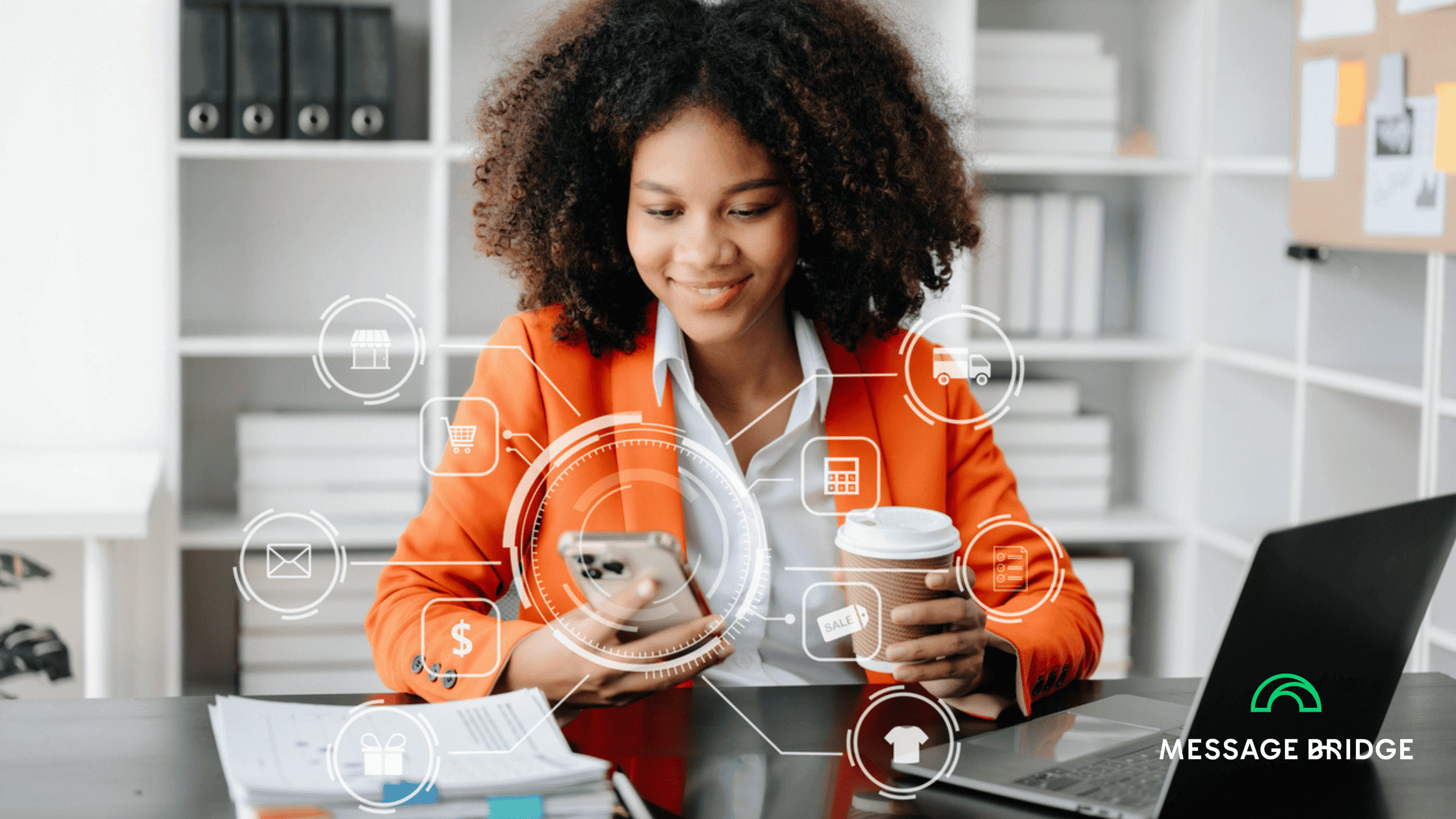
Businesses Can’t Rely on a Single Communication Channel Anymore
Not long ago, organizations could build an entire outreach strategy around email alone. Donors received fundraising appeals through their inbox. Survey participants were recruited through email invitations. Customers received updates through newsletters and promotional campaigns.
Those days are over.
In 2026, people interact with organizations across multiple channels throughout the day. They check email, respond to text messages, browse social media, visit websites, and use mobile apps. Because communication habits have changed, expectations have changed as well.
Today’s audiences expect organizations to communicate with them where they are, when they are most likely to engage.
For nonprofits, consultants, agencies, researchers, and advocacy organizations, this shift presents both a challenge and an opportunity. Organizations that embrace multi-channel communication are seeing stronger engagement, higher response rates, and better campaign performance. Those that rely on a single channel are finding it harder to reach their audiences.
What Is Multi-Channel Communication?
Multi-channel communication means using multiple platforms to connect with your audience throughout a campaign or customer journey.
Common channels include:
- Text messaging (SMS)
- Phone calls
- Social media
- Mobile apps
- Websites and landing pages
- Direct mail
The goal is not to send the same message everywhere at the same time. The goal is to use each channel strategically.
For example:
- An email provides detailed information.
- A text message delivers urgency.
- Social media builds awareness.
- A landing page captures action.
When these channels work together, engagement improves dramatically.
Why Expectations Have Changed
The average person receives dozens of emails every day. Many go unread. Others are opened hours or even days later.
At the same time, consumers and donors have become accustomed to real-time communication:
- shipping updates
- appointment reminders
- banking alerts
They use messaging apps to communicate with friends, family, and coworkers. As a result, people now expect organizations to communicate with the same level of convenience and immediacy. If an important message arrives only through email, there’s a good chance it will be missed.
Organizations that combine channels create a better experience because they reduce the risk of messages being overlooked.
The Rise of Mobile-First Audiences
One of the biggest drivers behind multi-channel communication is mobile usage.
Most people carry their phones everywhere. Text messages are typically viewed within minutes of delivery, making SMS one of the fastest ways to reach someone.
This is especially important for:
- Fundraising campaigns
- Event reminders
- Survey participation
- Advocacy alerts
- Volunteer recruitment
- Membership renewals
Email still plays an important role, but it often works best when paired with text messaging. A donor may read the details in an email but respond after receiving a timely text reminder. On the other hand, a survey participant may overlook an invitation email but complete the survey after receiving an SMS follow-up.
The channels work together rather than competing with one another.
Why Multi-Channel Campaigns Outperform Single-Channel Campaigns
Organizations that use multiple communication channels benefit from several advantages.
Better Reach
Not everyone engages through the same channel. Some people prefer email and others respond primarily to text messages.
Using multiple channels ensures you are not dependent on a single communication method.
Increased Engagement
Every additional touchpoint creates another opportunity for engagement. Someone who ignores an email may respond to a text and someone who misses a social post may click a link from an SMS reminder.
The result is more interactions and higher participation.
Improved Response Rates
For nonprofits, researchers, and advocacy organizations, response rates are everything.
Whether you’re seeking donations, survey completions, petition signatures, or event registrations, adding SMS to your communication strategy often helps increase participation because it reaches audiences where they are already paying attention.
Stronger Audience Experience
People appreciate receiving information in ways that are convenient. A well-timed text reminder can be helpful rather than intrusive when it delivers relevant information.
Organizations that respect audience preferences create stronger relationships over time.
What This Means for Consultants and Agencies
For consultants and agencies, multi-channel communication is no longer a “nice to have” service offering.
Clients increasingly expect it.
Many organizations already understand that email alone isn’t enough. They are looking for partners who can help them create integrated communication strategies that include mobile engagement.
This creates an opportunity for consultants to expand their services and deliver more value.
Instead of managing only email campaigns, consultants can help clients:
- Launch SMS fundraising campaigns
- Increase event attendance
- Improve donor retention
- Boost survey response rates
- Drive advocacy participation
- Strengthen member engagement
The result is better outcomes for clients and stronger long-term relationships for consultants.
Why Text Messaging Has Become a Core Channel
While multi-channel communication includes many platforms, SMS has emerged as one of the most important channels because of its speed and visibility.
Text messaging fills a gap that email often cannot.
When timing matters, organizations need a channel that delivers messages immediately.
Examples include:
- Giving Day reminders
- Last-minute event updates
- Survey participation reminders
- Volunteer mobilization alerts
- Matching gift deadlines
- Advocacy action alerts
Text messaging doesn’t replace email. It amplifies it.
The most effective organizations use SMS to complement their existing communication strategy rather than replacing other channels.
Building a Multi-Channel Strategy for 2026
Organizations looking to improve engagement should start with a few key principles.
Understand Audience Preferences
Different audiences engage differently. Analyze engagement data and identify where your audience is most responsive.
Use Each Channel for Its Strengths
Email is excellent for detailed communication. Text messaging excels at urgency and action. Social media builds awareness and direct mail can reinforce major campaigns.
Each channel should play a specific role.
Coordinate Messaging
Your channels should support one another. An email campaign, text reminder, and landing page should work together toward the same objective.
Measure Results
Track performance across channels and identify which combinations generate the strongest outcomes.
Over time, this data helps optimize future campaigns.
The Future Belongs to Connected Communication
The organizations winning attention in 2026 are not relying on a single communication channel.
They understand that audiences move between devices, platforms, and communication methods throughout the day. The most successful campaigns meet people where they are.
For nonprofits, agencies, consultants, researchers, and advocacy organizations, multi-channel communication is no longer optional. It is quickly becoming the standard that clients and audiences expect.
Organizations that combine email, SMS, and other communication channels create better experiences, stronger engagement, and more measurable results.
As expectations continue to evolve, the ability to deliver the right message through the right channel at the right time will become one of the most important advantages an organization can have.
How Message Bridge Supports Multi-Channel Engagement
Message Bridge helps organizations add text messaging to their communication strategy without adding complexity.
Whether you’re a nonprofit, consultant, agency, research firm, or advocacy organization, Message Bridge makes it easy to integrate SMS into existing campaigns, reach audiences faster, and drive higher engagement.
As client expectations continue to shift toward multi-channel communication, organizations need tools that help them connect with audiences wherever they are. Message Bridge provides the messaging infrastructure to make that happen.